

Kratom (or Mitragyna speciosa) has been used for centuries in the rainforest regions of Southeast Asia, but it has only become popular in the Western world in recent years. Because of this, many of its potential uses are still unfamiliar to most people. While kratom is best known for its soothing, relaxing, and energizing properties, many users report additional effects after using it consistently.
One of the more interesting effects reported by kratom users is an improvement in certain skin conditions, including psoriasis. But does kratom for psoriasis really work? Let’s take a closer look.
What Is Psoriasis?
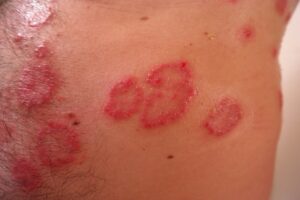
Psoriasis is a chronic inflammatory skin condition that causes skin cells to regenerate faster than normal. This rapid buildup leads to red, dry patches and scaly areas on the skin. While these patches can appear anywhere on the body, they most commonly affect the elbows, knees, scalp, and lower back.
Psoriasis is not contagious. However, people who live with this condition may face a higher risk of other health problems, such as diabetes, psoriatic arthritis, depression, and heart disease.
Causes of Psoriasis
Psoriasis is believed to have a genetic component, but certain factors can trigger or worsen symptoms. Common triggers include:
- Stress, which is one of the most common and manageable triggers.
- Skin injuries or trauma: cuts, burns, bruises, or other injuries can lead to psoriasis patches forming at the affected site. This reaction is known as the Koebner phenomenon.
- Viral or bacterial infections, which may trigger flare-ups or make symptoms worse.
- Certain medications known to cause psoriasis flare-ups.
- Weather changes, especially cold temperatures or seasonal shifts.
Additionally, alcohol use, smoking, and excess weight may increase the likelihood of flare-ups.
Does Kratom For Psoriasis Work?
At this time, there is no scientific evidence showing that kratom directly treats psoriasis. However, anecdotal reports suggest that some people experience relief. While certain users notice improvements after their first few doses, others report no noticeable change.
So how might kratom help with psoriasis? Although research is lacking, stress is a well-known trigger for psoriasis, and kratom’s calming effects may help reduce stress-related flare-ups. That said, results vary from person to person, and there is still limited information available. For now, the only way to know whether kratom may help is through personal experience.
You can find firsthand accounts from users in this Reddit thread.
How to Take Kratom for Psoriasis
There are several ways to take kratom, and no single method is considered better than the others. The best option depends on personal preference and convenience. The most common methods include:
- Toss and wash: placing kratom powder in your mouth and washing it down with water or another drink.
- Kratom tea: brewing kratom powder in hot water and allowing it to steep before drinking.
- Capsules: a convenient and tasteless option, though not all vendors offer capsules. That said, you can easily make your own capsules at home.
Best Kratom Strains for Psoriasis
While kratom is not proven to treat psoriasis directly, it may help manage stress—one of the condition’s main triggers. If stress plays a role in your flare-ups, the following strains are often chosen for their relaxing effects:
- Red Bali kratom: some users report fewer psoriasis patches after regular use.
- Indo and Borneo kratom: along with Red Bali, these strains are commonly associated with calming and relaxing effects.
If relaxation is your goal, it’s best to avoid white kratom strains, as they tend to be more stimulating and energizing.
Kratom for Psoriasis Dosage
Because any potential benefit of kratom for psoriasis is likely related to stress relief, proper dosing is especially important—particularly for beginners. Below, we outline how to take kratom for relaxation, which may be the most relevant approach for psoriasis support.
Lower doses of kratom are generally more energizing and mood-boosting, while moderate to higher doses tend to promote relaxation. If you’re new to kratom, start with the lowest possible dose to see how your body responds. You can then gradually increase the amount until you reach your desired effects.
A moderate dose is typically around 4 grams, while 7 grams is considered a higher dose. If you notice benefits at lower amounts, it’s best to stay there to help prevent tolerance buildup.
Lastly, we’d love to hear from you. Have you tried kratom for psoriasis? Did it help? Share your experience in the comments below!



I have been using kratom for about 4 months. I take 2-4 grams 2-3 times a day. It helps with my Psoriasis and migraines.
I just had an outbreak of psoriasis just 36 hours after taking kratom. Never again!