Do you know the benefits of kratom for your mental health? Millions of people use kratom to cope with a wide range of issues and challenges, from chronic pain to opiate withdrawal. But kratom may also help ease symptoms associated with depression and anxiety. There are several ways this natural leaf may support overall mental wellness. In this post, you’ll learn what kratom can do for your mental well-being.
How Does Kratom Work?
Kratom (Mitragyna speciosa) is an evergreen tree that grows in Southeast Asia. This tree belongs to the Rubiaceae family, along with coffee and gardenia plants. For generations, people in Indonesia and other Asian countries have used kratom leaves to boost energy or help relieve discomfort.
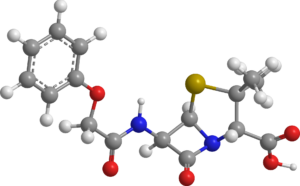
Today, we know that kratom contains several alkaloids (such as mitragynine and 7-OHM) that interact with the nervous system and opioid receptors. Yes, the human body has an opioid system. This system consists of opioid receptors and opioid peptides (endogenous opioids) naturally produced by the body. Endogenous opioids—such as endorphins and dynorphins—activate these receptors. When this happens, the body may experience effects such as discomfort relief, relaxation, or feelings of well-being. Opioids and opiates mimic the action of endogenous opioids and can produce similar effects.
However, many other substances can also interact with opioid receptors. Dark chocolate, dairy products, gluten, and even spinach contain compounds that influence these receptors, yet they are not opioids. Kratom also acts as an opioid receptor agonist, but unlike traditional opioids, kratom is not known to cause respiratory depression, which is the primary cause of fatal opioid overdoses. This is one reason many people consider kratom relatively safe when used responsibly.
Kratom for Your Mental Health: Kratom for Depression
Millions of people live with symptoms of depression. Depression is a serious mental health condition, and its symptoms can range from persistent sadness to low energy and lack of motivation. In some cases, depression may also lead to suicidal thoughts.
Many factors may contribute to depression, but its exact causes are still not fully understood. This may help explain why there is currently no universal cure for depression. Most treatments focus on managing symptoms rather than eliminating the condition entirely—and that is also how kratom may be used.
Kratom may help relieve symptoms associated with depression, but it is not a cure. Because of their more energizing and mood-lifting properties, white and green kratom strains are often preferred for daytime support. Lower servings are typically recommended to enhance stimulating effects while avoiding sedation. However, if you are currently receiving medical treatment for depression, consult your doctor before using kratom, as combining kratom with antidepressants may lead to unwanted interactions.
Kratom for Your Mental Health: Kratom for Anxiety
There are many types of anxiety disorders, including generalized anxiety disorder (GAD), post-traumatic stress disorder (PTSD), social anxiety, panic disorder, and obsessive-compulsive disorder (OCD). Each condition has its own set of symptoms, but many share common experiences, such as:
- Persistent nervousness
- Rapid heart rate
- Difficulty concentrating
- Hyperventilation
- Insomnia
- Irritability
- Excessive worrying
The relaxing properties of kratom may help people better manage these symptoms. Generally speaking, red strains are often chosen for relaxation and may be helpful for individuals dealing with GAD or panic-related symptoms. In contrast, many users prefer white or green strains for social anxiety due to their more balanced effects. As always, avoid combining kratom with prescription anxiolytics unless approved by a healthcare professional.

Other Ways to Improve Your Mental Health with Kratom
Kratom may also support mental well-being even if you are not experiencing anxiety or depression. For individuals dealing with ongoing discomfort, kratom’s analgesic properties can be especially helpful. Many people report being better able to stay active and maintain daily routines, which can positively influence overall mental health.
Additionally, kratom’s mood-enhancing effects may help promote a more positive outlook and an improved sense of well-being.
Recommended Kratom Dosage
While kratom is widely considered manageable when used responsibly, taking too much may lead to unpleasant side effects. Possible side effects include constipation, dizziness, headaches, dehydration, or eye wobbles (nystagmus). In many cases, these effects are linked to excessive servings, which is why proper dosing is important.
If you’re unsure where to begin, you can follow this kratom dosage guide:
- New users: 2 g
- Low doses: 2–4 g
- Moderate doses: 4–5 g
- High doses: 5–8 g
- Very high doses (not recommended): More than 8 g
If you choose to use kratom extracts or ultra-enhanced products, these amounts should be reduced accordingly. You can read our article about kratom doses to learn more about this topic.