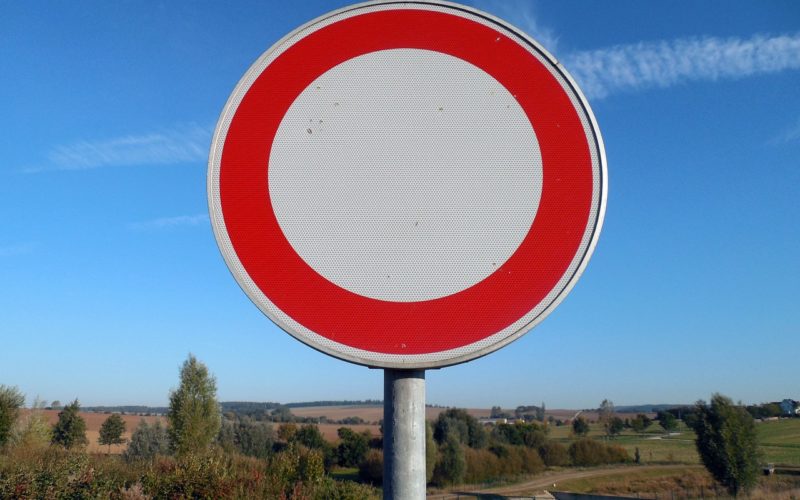
Millions of people rely on kratom to help manage a variety of ailments and conditions. Thanks to its wide range of benefits, kratom has become a lifesaver for thousands. However, despite its potential benefits, kratom remains a highly controversial product, and many people oppose its use. Because of this controversy, kratom is banned in many places. In this post, we’ll explain what you should (and shouldn’t) do if kratom gets banned where you live.
Why Can Kratom Get Banned?
Kratom is very effective because its alkaloids (like mitragynine or 7-OHM) act on the mu and delta receptors in your brain. These receptors are part of the opioid receptor system, which gets its name because opioids bind to them to produce their effects. Your body naturally produces opioids (endogenous opioids) that regulate pain relief, relaxation, mood, and energy. When opioids or other substances bind to these receptors, they send signals to the brain that mimic the effects of endogenous opioids. That’s why, when you consume kratom, you may experience effects such as pain relief, euphoria, or a boost of energy.
However, due to its effects on opioid receptors (and because these effects can sometimes resemble those of opiates), many people are wary of kratom. Why? Because the word “opioids” often raises concern. Furthermore, authorities, media outlets, and institutional sources have spread a great deal of misinformation and negative publicity about kratom. We won’t go into the reasons behind this, but many people rely only on official and mainstream channels. So, if those sources constantly claim that kratom is dangerous, it’s only natural that people become concerned about its safety. As a result, many people support—or even call for—a kratom ban.
If Kratom Gets Banned, Can I Still Buy It?
No, if kratom is illegal where you live, you should not buy it. A kratom ban means that kratom is illegal, so by buying or possessing it, you could be committing a criminal offense.
There are many places (countries, states, and cities) where kratom is illegal. In Thailand, where kratom grows naturally, it was illegal for more than 70 years. Although there have been many attempts to legalize its use over the years, restrictions have remained in place for long periods. In Europe, kratom is banned in some countries. And in the United States, kratom is illegal in several states and cities.
Buying kratom where it is illegal can result in serious penalties, ranging from fines to prison time. Therefore, we strongly recommend that you do not buy kratom if it is banned.
Furthermore, reliable kratom vendors will not ship kratom to places where it is illegal. In many cases, shipping kratom to restricted areas can create legal risks for both the buyer and the seller. Trusting vendors who ship to locations where kratom is banned is not advisable. You could end up receiving something that isn’t even kratom (and you won’t know what it is), or they may simply take your money and send nothing. So, if you live in a place where kratom is illegal, be cautious of vendors willing to ship to your address.
There are also vendors who sell kratom under different names in an attempt to bypass regulations. Needless to say, this is not a wise approach. If authorities seize the product, claiming it is something else will not help. You could face fines (or worse), or lose both your money and your kratom.
What Can I Do If Kratom Is Banned?
If you live in a place where kratom is banned, there are still some actions you can take. First, it’s important to raise awareness about its benefits and the relatively low risk of serious side effects of kratom. If you live in the United States, the American Kratom Association (AKA) provides resources to combat misinformation and run campaigns to protect kratom.
You can also share your kratom experiences on social media (for example, many advocates are active on X) or even contact local media to explain how kratom has helped you.
These steps can also be helpful in places where kratom is still legal but at risk of being banned. Even if kratom is not in immediate danger, your story can help educate others. Many people believe kratom is dangerous simply because of its interaction with opioid receptors, yet they may not realize that coffee and chocolate also affect these receptors.
Remember, it’s better to be proactive. Educating others and countering misinformation with solid arguments is one of the best ways to protect kratom and help prevent bans.
Kratom Alternatives
In addition to supporting kratom, you can also explore alternatives to kratom that may help you manage your conditions. Here are some natural products you could consider if kratom is banned:
- Mitragyna Hirsuta: As you might expect, Mitragyna hirsuta is a close relative of kratom (Mitragyna speciosa). It is also known as Kra Thum Khok. It produces effects similar to kratom, although generally milder.
- Akuamma: Akuamma (Picralima nitida) is a tree native to Africa with potent analgesic and sedative properties. It can be a good alternative if you use kratom for pain relief and relaxation.
- Kava: This plant, native to the South Pacific islands, is one of the most popular natural options for relieving anxiety and promoting relaxation. It may also help ease symptoms of opiate withdrawal. Kava has grown in popularity in recent years, and kava bars are now common in some areas.
- Kanna: Kanna (Sceletium tortuosum) is another African plant traditionally used to help reduce anxiety and support mood.
- CBD Oil: CBD stands for cannabidiol, one of the active compounds found in the cannabis plant. However, CBD oil does not produce psychoactive effects, so it won’t make you feel high. Many people use CBD oil for its wide range of potential benefits, including support for anxiety, pain relief, and mood. It may also help manage symptoms associated with Parkinson’s disease, amyotrophic lateral sclerosis (ALS), and multiple sclerosis (MS), and can provide relief from the side effects of chemotherapy.
Conclusions
In summary, if kratom is banned, trying to buy it is not a good idea and may carry serious risks. Instead, consider supporting efforts to keep kratom legal by sharing your story and joining the wider kratom community. At the same time, exploring alternative products may help you continue managing your needs.
If you’d like to share your kratom story with us and have it published on this blog, let us know in the comments below.